
Self regulation. Integrity.
About the Fiji Media Council
The Fiji Media Council is an independent body established to promote responsible journalism and uphold professional and ethical standards within the media industry in Fiji.
The FMC supports the principle of media freedom accompanied by accountability.
Through the Fiji Media Code of Ethics and Practice, it provides guidance to journalists, editors, broadcasters and media organisations on the standards expected in the gathering, production and publication of news and information.
A key role of the FMC is to provide an accessible and independent mechanism through which members of the public may raise concerns about media conduct.
Through its complaints and adjudication processes, the FMC seeks to resolve disputes fairly while promoting transparency and public confidence in the media.
In carrying out its work, the Fiji Media Council seeks to support a media environment that is independent, responsible and committed to serving the public interest.
By promoting ethical journalism and encouraging dialogue between the media and the public, the Council contributes to strengthening democratic values and informed public discussion in Fiji.
-
Members of the Fiji Media Council include:
Industry Members
Communications Fiji Ltd (FM96, Viti FM, Navtarang, Legend FM, Radio Sargam, fijivillage.com)
Fiji Sun
Fiji Television Ltd (Fiji One)
Fijian Broadcasting Corporation (FBC TV, Gold FM, Mirchi FM, Radio Fiji 1 & 2, 2Day FM, Bula FM)
Mai TV
The Fiji Times Ltd (Fiji Times, Nai Lalakai, Shanti Dut)
Public Members
5 members of the general public
-
The main focus of the Fiji Media Council is “Upholding Media Integrity and Championing Self Regulation” for its members.
-
The Fiji Media Council emphasises ethical journalism aligned with democratic values and Fiji’s unique multicultural context
-
These guiding principles form the core of the Fiji Media Council and its industry members’ operations:
1. Accuracy and Truthfulness
- Verify information before publication.
- Correct errors promptly and prominently.
- Avoid misleading headlines or sensationalism.
2. Fairness and Balance
- Provide all parties with a right of reply, especially in contentious stories.
- Avoid bias, ensuring reporting reflects multiple perspectives.
- Clearly distinguish between fact and opinion.
3. Independence
- Resist political, commercial, or personal pressures that could compromise integrity.
- Disclose conflicts of interest (e.g., financial ties to subjects).
- Refuse gifts or incentives that could influence coverage.
4. Respect for Privacy
- Intrude into private lives only when justified by public interest (e.g., corruption investigations).
- Exercise sensitivity when reporting on trauma victims or vulnerable groups.
5. Non-Discrimination
- Avoid content that incites hatred or violence based on race, religion, gender, ethnicity, disability or sexual orientation.
- Respect Fiji’s multicultural society (Indigenous Fijian, Indo-Fijian, and minority communities).
6. Public Interest
- Prioritize reporting that holds power to account, exposes wrongdoing, or informs democratic processes.
-
These operational rules are designed to uphold the core principles of the Fiji Media Council:
1. Complaints Process
- Members of the public can lodge complaints about media content directly with the Council.
- Complaints are investigated by an independent panel (media professionals and public representatives).
- Outcomes include corrections, apologies, or retractions, published in the same medium as the original content.
2. Right of Reply
- Individuals/organizations criticized in reporting have a right to respond, and their response have to be published in a timely manner.
3. Confidentiality of Sources
- Journalists are expected to protect anonymous sources unless ordered by a court to disclose them.
4. Children and Vulnerable Groups
- Journalists are prohibited from identifying minors in criminal cases or victims of sexual violence without consent.
5. Cultural Sensitivity
- Avoid derogatory terms or stereotypes related to Fiji’s ethnic/religious or other minority groups.
- Respect Indigenous Fijian customs (Vanua) and protocols (e.g., consulting community leaders for sensitive stories).
6. Avoiding Harm
- Exercise caution when reporting on communal tensions or political instability to avoid inciting violence.
-
See below.
Council Membership
-
The chairperson for Fiji Media Council is Agatha Ferei-Furivai.
-
The media industry members are represented on the Council by:
Communications Fiji Ltd: Vijay Narayan, News Director
Fiji Sun: Naisa Koroi., Managing Editor Design
Fiji TV: Sunjeewa Perera, CEO
Fijian Broadcasting Commission: Tarun Patel, CEO
Mai TV: Stanley Simpson, Director
The Fiji Times: Christine Lyons, General Manager
-
The following individuals represent the Fiji general public interests on the council:
Agatha Ferei-Furivai
Shane Hussein
Shirleen Sahai
Inoke Bainimarama
-
There are currently no independent journalists on the Council. If you are a freelance journalist or work in a media outlet that is not a member of the Council, you can still be part of FMC. Contact us for more information.
-
The Secretariat supports the work of the Fiji Media Council.
Led by the FMC Coordinator, it manages the day-to-day operations of the Council and serves as the main point of contact for media organisations, journalists, and members of the public.
The Secretariat provides administrative and coordination support to the FMC Board and its committees, including organising meetings, maintaining official records, and implementing Council decisions.
It also administers the media complaints process, facilitating communication between complainants and media organisations in accordance with the Fiji Media Council Code of Ethics.
In addition, the Secretariat supports the Council’s outreach and engagement with the media sector through initiatives such as industry discussions, training programmes, and the Fiji Awards for Media Excellence (FAME).
-
The Complaints Committee is made up of the Executives of the Council, namely:
Agatha Ferei-Furivai
Inoke Bainimarama
Shirleen Sahai
Shane Hussein
The Fiji Media Council consists of media industry players, independent members drawn from civil society and the public and a secretariat.
The FMC’s membership reflects the principle that media accountability should involve both the profession itself and the wider community.
The Council comprises:
the Chair;
industry members’ representatives;
independent public members; and
the Secretariat

Code of Ethics & Practice
Media organisations and journalists serving the Fijian public have a duty to defend freedom of expression and the freedom of the press and other media, which are guaranteed by the Constitution of the Republic of Fiji. It is also the duty of journalists and broadcasters to maintain the highest professional and ethical standards. Guidelines for these, in many areas, are set out in the Fiji Media Council’s General Media Code of Ethics and Practice.
Council Members
-
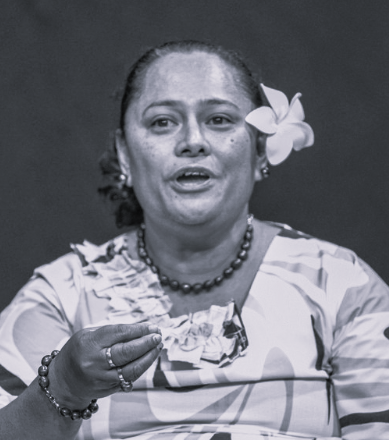
Agatha Ferei
Chairperson
-
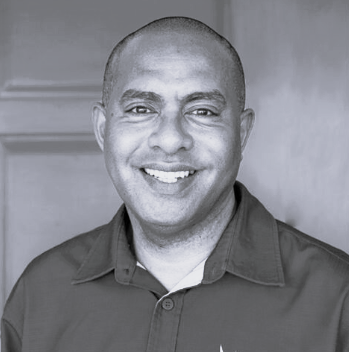
Inoke Bainimarama
Public Member
-

Shane Hussein
Public Member
-

Shirleen Sahai
Public Member
-
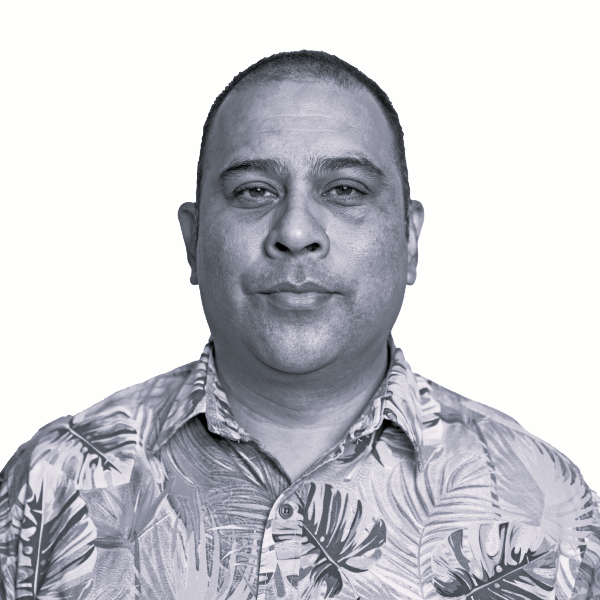
Vijay Narayan
Communications Fiji Ltd
-
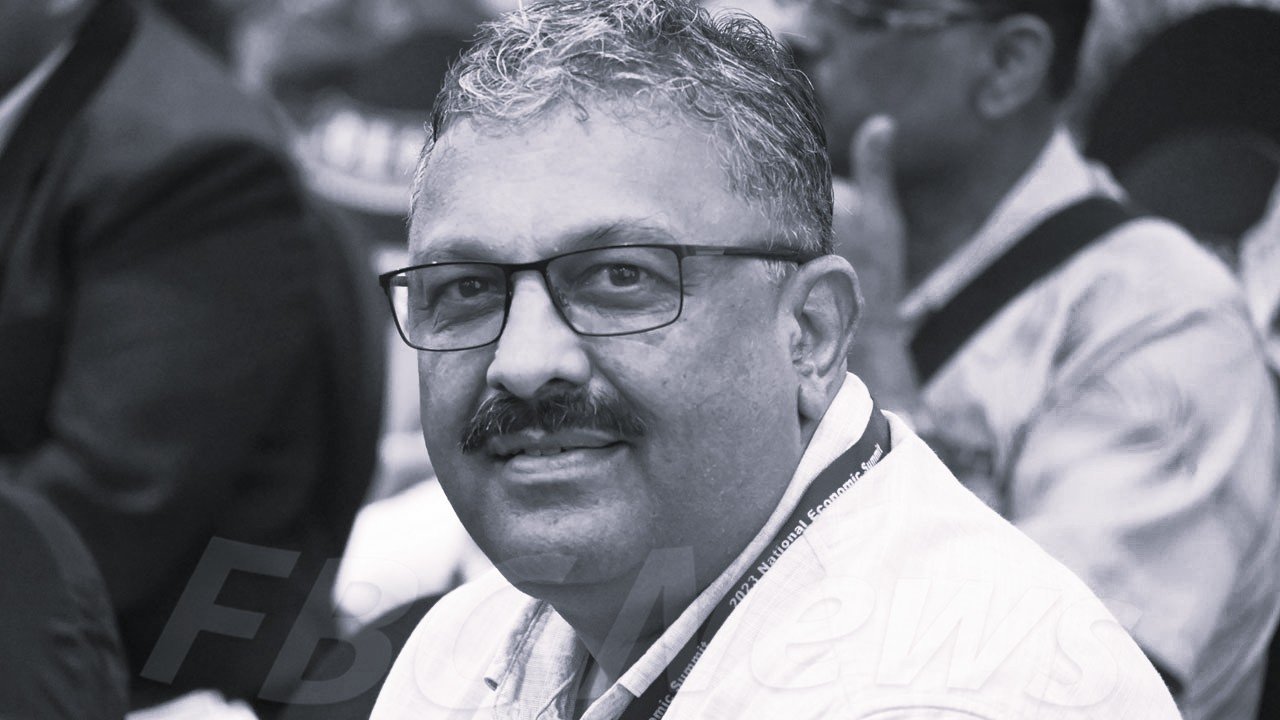
Tarun Patel
Fiji Broadcasting Commission
-
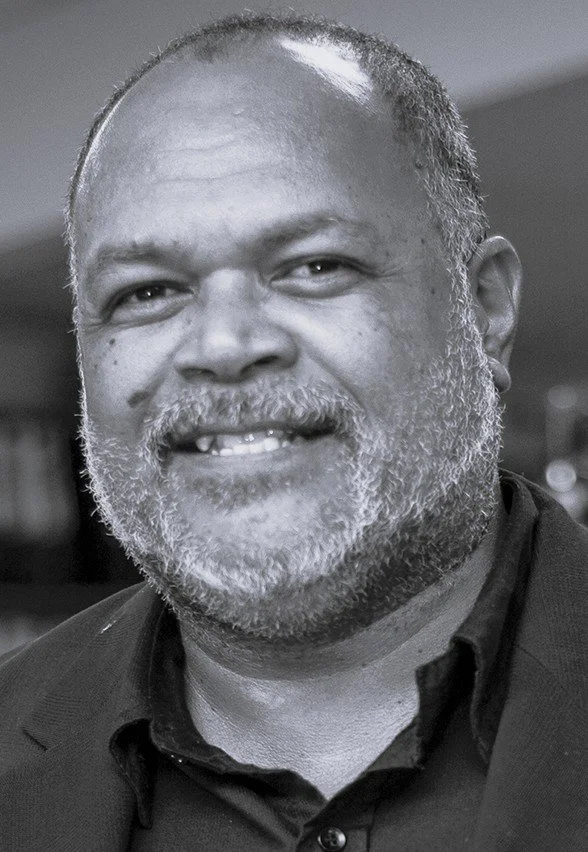
Naisa Koroi
Fiji Sun
-
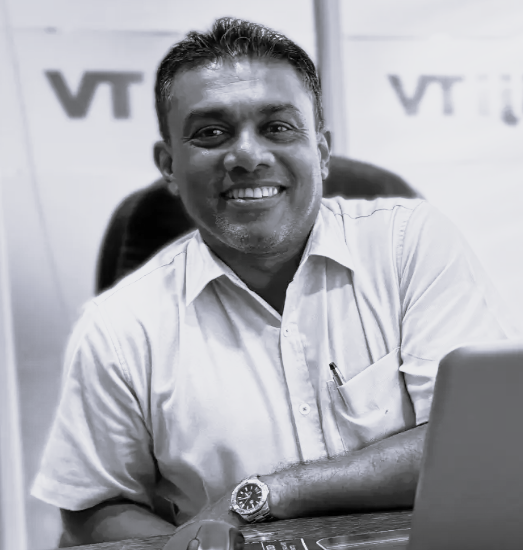
Sunjeewa Perera
Fiji TV
-
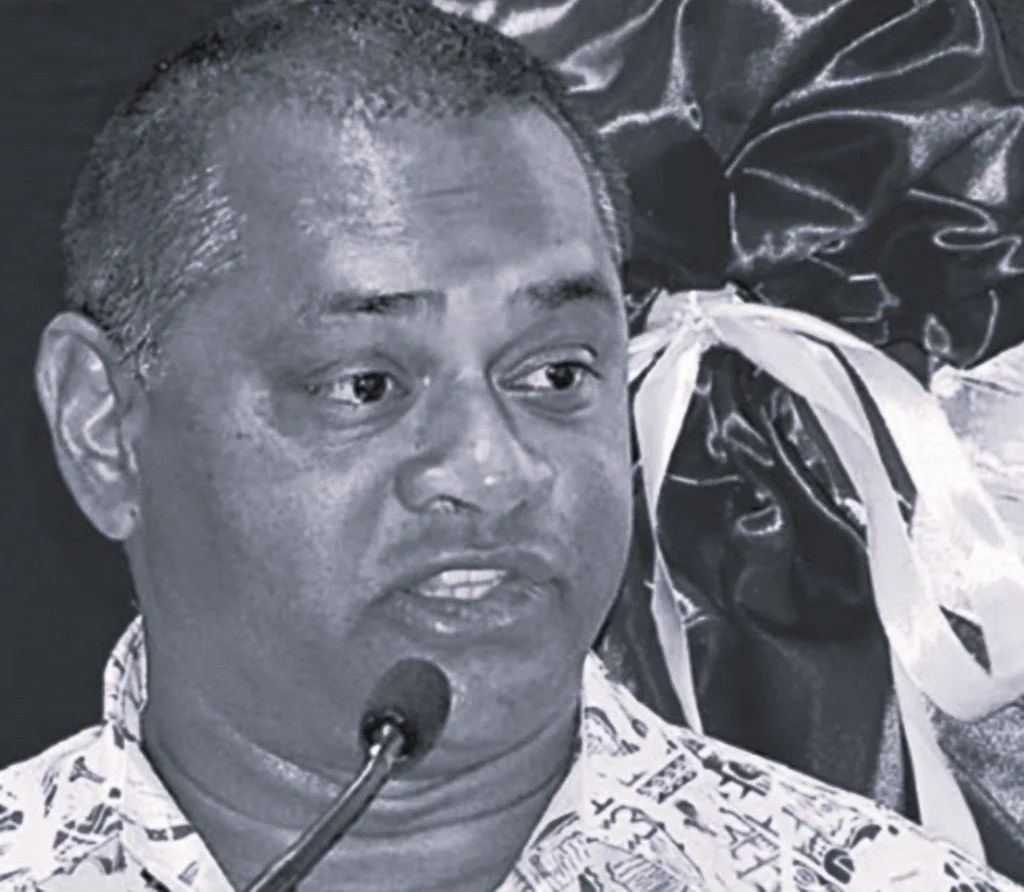
Stanley Simpson
Mai TV
-

Christine Lyons
The Fiji Times
Industry Members